
When organisations entrust their records to a third-party provider, they’re doing more than simply outsourcing storage space. They’re entrusting sensitive business information, confidential customer data and important operational records to someone else’s care.
We take that responsibility seriously.
At SMB Records Management, security and compliance are at the heart of everything we do. Whether we’re collecting archive boxes, storing documents, scanning records or conducting confidential shredding, our goal is always the same: to protect your information and support your legal and regulatory obligations.
Why Security Matters
Every business holds information that needs protecting. This could include:
- Customer records
- Employee files
- Financial documents
- Contracts and legal paperwork
- Medical or care records
- Commercially sensitive information
Lost, damaged, or improperly disposed-of documents can have significant consequences, ranging from operational disruption and reputational damage to potential regulatory action. Secure records management is therefore about much more than finding somewhere to store boxes. It is about maintaining control over important information throughout its lifecycle.
Supporting Compliance
Most organisations must meet document-retention requirements arising from legislation, industry regulations, or internal governance policies. One of the biggest challenges is knowing:
- What should be retained
- How long records should be kept
- When they should be securely destroyed
- How compliance can be demonstrated when required
A structured records-management process helps ensure that documents are retained for an appropriate period and securely disposed of when they are no longer needed. This reduces risk while preventing businesses from retaining unnecessary information indefinitely.
Security Throughout the Information Lifecycle
Effective records management doesn’t begin when a box enters storage and end when it is retrieved. Security should be considered at every stage, including:
- Collection and transportation
- Storage and controlled access
- Document retrieval
- Scanning and digitisation
- Destruction once the retention period has ended
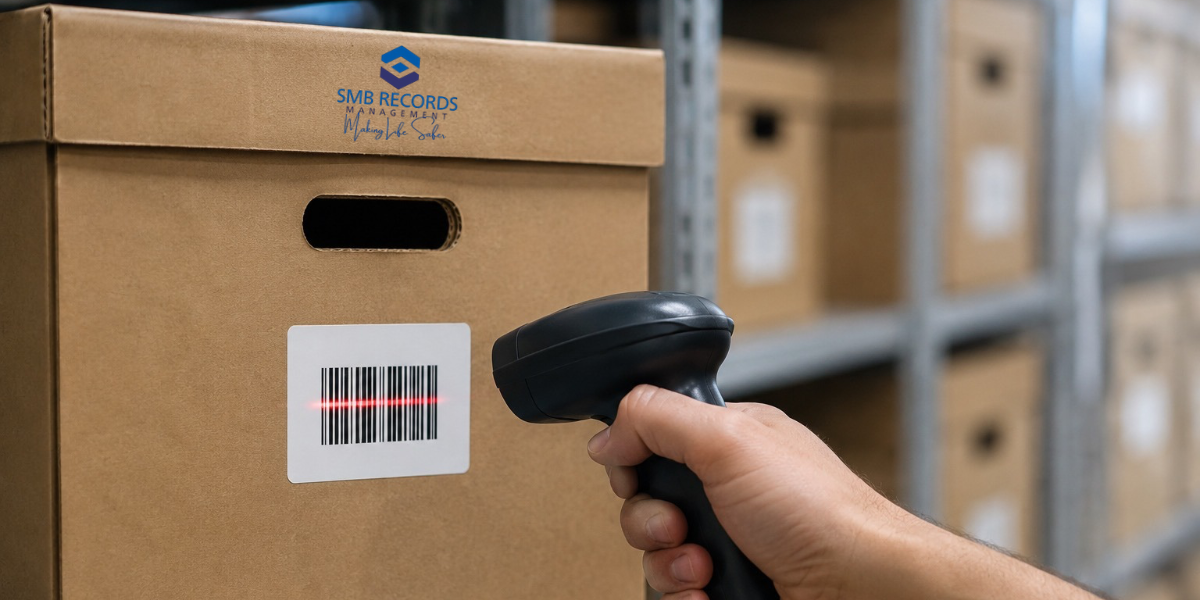
SMB scans items at each touchpoint, creating a historical record of their movement while they are in our care. This helps us locate records efficiently and gives clients greater visibility into how we handle their information. By adopting a lifecycle approach, organisations can maintain greater control over their records while reducing the administrative burden on their teams.
The Risks of Retaining Information Indefinitely
Old records can take up valuable office space and increase the volume of confidential information a business must protect. Some records must be retained for a specified period to meet legal, regulatory or operational requirements. However, organisations should not keep personal data longer than necessary for the purpose for which it was collected.
A clear retention schedule helps an organisation decide what to keep, how long to keep it, and what should happen when that period ends. It also reduces the likelihood of retaining information simply because no one has taken responsibility for reviewing it. When records are ready for disposal, SMB can arrange secure destruction and provide a certificate of destruction, helping clients retain evidence that the process has been completed.
Creating a Reliable Audit Trail
Good records management enables a business to account for its information. An audit trail can show where records are held, when they have been moved, and, where appropriate, when they have been destroyed. This provides useful evidence that defined processes have been followed and supports an organisation’s wider accountability measures. For confidential disposal, documentation such as collection records and destruction certificates provides reassurance that sensitive material has passed through a controlled process rather than simply entering the general waste stream.
Choosing the Right Records Management Provider
Outsourcing records storage does not remove an organisation’s responsibility for the information it holds. Therefore, choosing a suitable provider matters. Businesses should understand how their provider collects, transports, stores, tracks and destroys records. They should also look for clear processes that ensure appropriate security and provide evidence of responsible handling.
SMB Records Management is happy to explain the procedures we use and answer prospective clients’ questions about how we manage records while they are in our care.
Building Trust Through Good Records Management
At its core, records management is about trust.
Businesses need confidence that their information is handled professionally, securely and responsibly. For over a decade, SMB Records Management has worked with organisations across Kent, London and the Southeast, helping them manage their records effectively, improve accessibility and maintain control over important information.
Good records management isn’t only about compliance. It is about protecting the information that keeps an organisation running – and helping that organisation operate more efficiently in the process.
To discuss your document storage, management or secure destruction requirements, call SMB Records Management on 01732 668044. We’re happy to help.